It's mid August and the end of English 'summer' is nigh - this can only mean one thing - the return of the football season!
So after a long day at work the last thing you want to do before a Champo League encounter is slave over the hob all night. What you need is a quick fix to sort you out with plenty of time to sink a couple of nelsons.
Serves 2 hungry people or 3 as a snack:
1 medium red onion (cut into fine strips)
1 clove of garlic (finely chopped)
1/2 red chilli
200g of chorizo roughly chopped (cooking or standard will do)
a squeeze of lemon
2 roasted peppers (coarsely chopped)
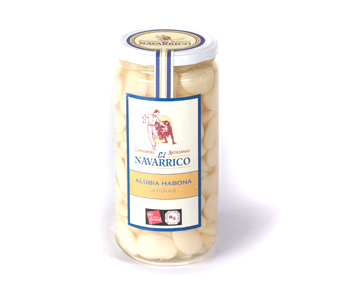
1 jar of alubia beans
1 tsp of paprika
handful of chopped flatleaf parsley
Heat up a pan with a splash of olive oil and chuck in your chorizo. Cook this off for a couple of mins to extract some colour, then add the onion, garlic and dry chilli.
Keep the pan on a medium heat stirring regularly for 5-8 mins then add a squeeze of lemon and the peppers.
Keep on the heat for a couple of minutes before adding the beans (if you can't find alubias beans cannellini ones will do).
Season well and cook this off for a final 2 mins before stirring in the parsley. That's it.
The whole thing shouldn't take more than 15 mins. All that's left to do is spoon the lot into a large bowl and serve with grilled/toasted bread rubbed with olive oil.
Oh, and don't forget the cervezas!
Search This Blog
Showing posts with label chorizo. Show all posts
Tuesday, 16 August 2011
Spanish Sharing Bowl (of Greatness!)
Labels:
alubias,
chorizo,
football food,
roasted peppers,
Spanish
Sunday, 8 May 2011
Play your chard right
Why Swiss chard is called Swiss chard I really do not know. It isn't native to Switzerland nor is it used in Swiss cooking. Its true homeland is in fact further south in the Mediterranean.
Personally I've always regarded chard as a bit of an odd leafy vegetable; shiny green ribbed leaves, stems that range from white to yellow to red, a distinguishable bitter taste and yet another example of something you don't tend to see in a supermarket.
Wonderfully nutritious it can be eaten fresh, steamed, braised, juiced, sautéed, frozen and dried. There are loads of delicious recipes, I used mine to help jazz up a humble omelette.
Serves 2:
1 bunch of Swiss chard
2 chorizo sausages
6 eggs
dash of Tabasco
Roughly chop your chorizo into small chunks and crisp them up in a small frying pan for a couple of minutes.
Snap the stems off the chard, roughly chop these and the leaves. Add to the pan and stir well with the chorizo for around 5 mins.
Whisk the eggs in a bowl, season well with salt, pepper, and a cheeky dash of Tobasco and pour the lot into the pan. Leave this on a medium heat for couple of minutes before sliding into a pre-heated (200 degrees) oven for 10 minutes.
Loosen the omelette around the edges using a knife, place a plate on top of the pan and turn it upside down, it should fall out looking something like the below. Scrum.
Just make sure you don't forget that the pan has been in the oven when you do this bit - there is literally a dent in my kitchen floor from where I've dropped it so many times...
Serve up with a light salad, some olives and a cold beer. Job done.
Personally I've always regarded chard as a bit of an odd leafy vegetable; shiny green ribbed leaves, stems that range from white to yellow to red, a distinguishable bitter taste and yet another example of something you don't tend to see in a supermarket.
Wonderfully nutritious it can be eaten fresh, steamed, braised, juiced, sautéed, frozen and dried. There are loads of delicious recipes, I used mine to help jazz up a humble omelette.
Serves 2:
1 bunch of Swiss chard
2 chorizo sausages
6 eggs
dash of Tabasco
Roughly chop your chorizo into small chunks and crisp them up in a small frying pan for a couple of minutes.
Snap the stems off the chard, roughly chop these and the leaves. Add to the pan and stir well with the chorizo for around 5 mins.
Whisk the eggs in a bowl, season well with salt, pepper, and a cheeky dash of Tobasco and pour the lot into the pan. Leave this on a medium heat for couple of minutes before sliding into a pre-heated (200 degrees) oven for 10 minutes.
Loosen the omelette around the edges using a knife, place a plate on top of the pan and turn it upside down, it should fall out looking something like the below. Scrum.
Just make sure you don't forget that the pan has been in the oven when you do this bit - there is literally a dent in my kitchen floor from where I've dropped it so many times...
Serve up with a light salad, some olives and a cold beer. Job done.
Subscribe to:
Posts (Atom)